
In Malaysia, e-invoicing is revolutionizing the way businesses handle their invoicing processes. By shifting from traditional paper methods to electronic systems, organizations can streamline operations and stay compliant with legal requirements e invoicing software. Understanding the nuances of e-invoicing in Malaysia is crucial for staying ahead in the evolving financial landscape. Discover how this digital transformation is reshaping business practices and driving efficiency in the realm of invoicing.

The Basics of E-Invoicing
When implementing e-invoicing in Malaysia, understanding the basics is crucial for efficient processing and compliance https://aspert.com.my/e-invoice/. E-invoicing involves the electronic generation, transmission, and processing of invoices between suppliers and buyers, eliminating the need for paper-based invoices. This digital transformation streamlines the invoicing process, reduces errors, and enhances transparency in financial transactions.
In Malaysia, e-invoicing is gaining traction due to its numerous benefits, including cost savings, improved accuracy, and faster payment cycles. By automating the invoicing process, businesses can significantly reduce the time and resources traditionally spent on manual invoicing tasks. Additionally, e-invoicing helps businesses comply with regulatory requirements and promotes sustainability by reducing paper usage.
To effectively implement e-invoicing in Malaysia, businesses should invest in reliable e-invoicing software, train employees on the new system, and ensure compatibility with the country’s e-invoicing standards. By embracing e-invoicing basics, businesses in Malaysia can experience increased efficiency, cost savings, and compliance with regulatory standards.
Legal Framework in Malaysia
When considering e-invoicing in Malaysia, it’s crucial to understand the regulatory compliance requirements and government enforcement mechanisms in place. These aspects play a significant role in shaping the landscape of electronic invoicing practices within the country.
Adhering to these regulations is essential for businesses aiming to leverage e-invoicing effectively in Malaysia.
Regulatory Compliance Requirements
Ensuring regulatory compliance with the legal framework in Malaysia is essential for successful e-invoicing implementation. The Malaysian government mandates that e-invoices must adhere to the Electronic Commerce Act 2006 and the Goods and Services Tax Act 2014. These laws outline specific requirements for electronic signatures, data retention, and invoice authenticity.
Additionally, the Income Tax Act 1967 stipulates that e-invoices must be stored for seven years. Failure to comply with these regulations can result in penalties or legal consequences. To ensure smooth operations and avoid disruptions, businesses must stay updated on any changes to the legal framework and adjust their e-invoicing practices accordingly.
Compliance not only mitigates risks but also fosters trust and efficiency in business transactions.
Government Enforcement Mechanisms
Implementing e-invoicing in Malaysia requires a thorough understanding of the government enforcement mechanisms outlined in the legal framework. Malaysia’s legal framework for e-invoicing is primarily governed by the Electronic Commerce Act 2006, which provides the necessary legal recognition for electronic transactions, including e-invoices.
The Malaysian government enforces compliance with e-invoicing regulations through various mechanisms, such as audits, penalties for non-compliance, and monitoring systems. Failure to adhere to the e-invoicing requirements can result in fines or other legal consequences.
Therefore, it’s crucial for businesses to stay updated on the government’s enforcement mechanisms and ensure full compliance with the e-invoicing regulations to avoid any potential penalties or disruptions in business operations.
Benefits for Businesses
You can benefit from e-invoicing in Malaysia through cost savings advantages, improved data accuracy, and a streamlined compliance process.
By utilizing electronic invoicing, businesses can significantly reduce operational costs associated with traditional paper-based invoicing. Moreover, the enhanced accuracy of electronic data entry minimizes errors and enhances overall efficiency.
Additionally, e-invoicing simplifies compliance processes by automating tasks and ensuring adherence to regulatory requirements.
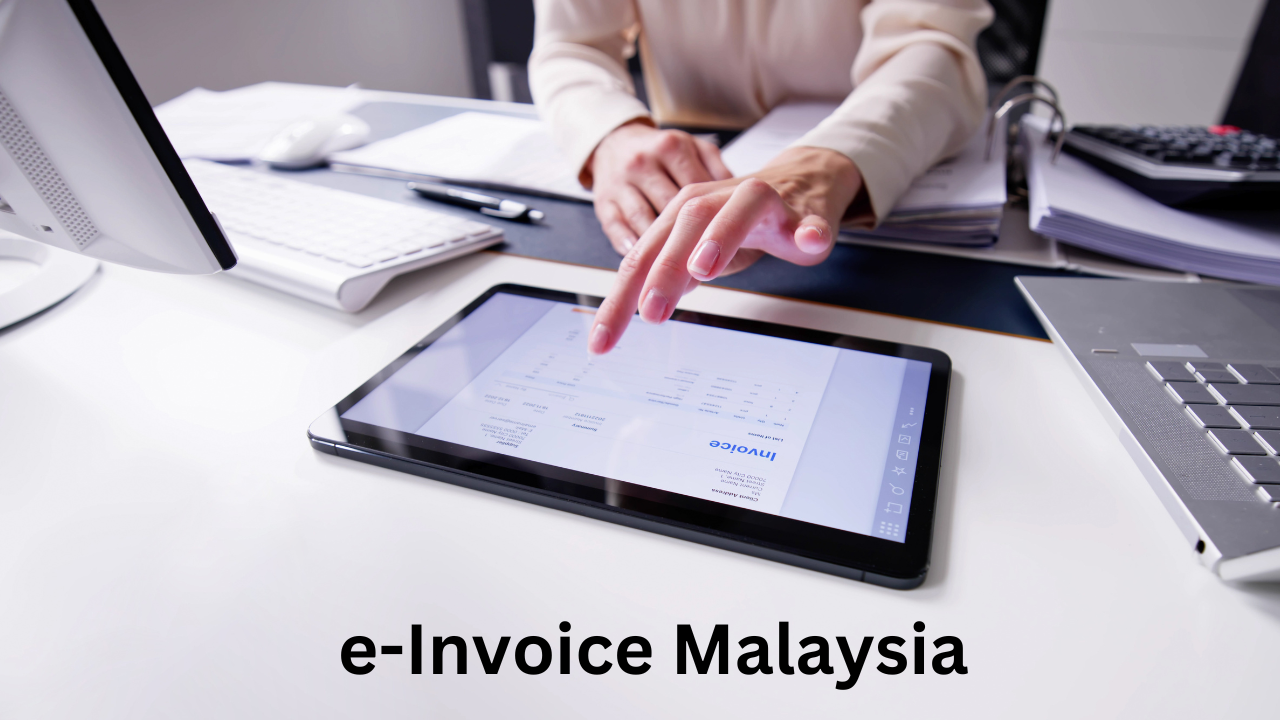
Cost Savings Advantage
By leveraging e-invoicing technology, businesses in Malaysia can significantly reduce operational costs. Implementing e-invoicing eliminates the need for paper, printing, and postage expenses associated with traditional invoicing methods.
According to research, businesses can save up to 70% on processing costs by switching to e-invoicing. Additionally, automation of invoicing processes through electronic systems reduces the likelihood of human errors, saving both time and money spent on rectifying mistakes.
Enhanced Data Accuracy
Enhancing data accuracy through e-invoicing systems offers businesses in Malaysia a competitive edge in decision-making and operational efficiency.
By digitizing invoicing processes, errors due to manual entry are significantly reduced, leading to more precise financial records and reports. This accuracy enhances the reliability of data used for forecasting, budgeting, and identifying trends.
With real-time access to updated financial information, businesses can make informed decisions promptly, improving overall performance. Moreover, accurate data ensures compliance with regulatory requirements, avoiding penalties or fines resulting from discrepancies.
In essence, the enhanced data accuracy facilitated by e-invoicing not only streamlines operations but also contributes to better financial management, enabling businesses to stay agile and competitive in the Malaysian market.
Simplified Compliance Process
Implementing e-invoicing systems in Malaysia simplifies the compliance process for businesses, ensuring adherence to regulatory requirements with ease and efficiency. By automating the invoicing process, businesses can reduce the risk of errors, late submissions, and non-compliance penalties.
E-invoicing systems provide a centralized platform for managing invoices, storing data securely, and generating accurate reports for regulatory purposes. With real-time validation and electronic signatures, businesses can ensure the integrity and authenticity of their invoices, meeting legal standards effortlessly.
Additionally, e-invoicing solutions offer features like audit trails and encryption to enhance data security and compliance. This streamlined approach not only saves time and resources but also fosters a culture of transparency and trust between businesses and regulatory authorities.
Implementation Process Overview
To understand the implementation process overview of e-invoicing in Malaysia, it’s essential to examine the key steps involved in transitioning to this digital invoicing system. Initially, businesses need to assess their readiness for e-invoicing by evaluating their current invoicing processes and technological capabilities.
Following this, selecting a certified Access Point (AP) becomes crucial, as the AP acts as the bridge between businesses and the National E-Invoicing Registration (NEIM) system. Once the AP is chosen, businesses must integrate their existing accounting or Enterprise Resource Planning (ERP) systems with the AP to ensure seamless data transmission.
Subsequently, businesses are required to register with the NEIM system to obtain a unique Electronic Billing Code (Kod Penyataan Elektronik – KPE) to start issuing e-invoices legally. Lastly, businesses need to conduct internal training to familiarize employees with the new e-invoicing system and ensure a smooth transition towards digital invoicing.
Key Players in the Market
Key industry leaders in the Malaysian e-invoicing market are driving innovation and shaping the landscape with their advanced technological solutions. Companies such as MyDigital, Tranglo, and Web Bytes are at the forefront of revolutionizing the e-invoicing sector in Malaysia.
MyDigital, a government initiative, plays a crucial role in promoting e-invoicing adoption among businesses of all sizes. Tranglo, a leading financial service provider, offers secure and efficient e-invoicing solutions tailored to the Malaysian market. Web Bytes, a tech company specializing in digital transformation, provides cutting-edge e-invoicing platforms to streamline business processes.
These key players bring a wealth of experience and expertise to the e-invoicing industry, offering a wide range of services that cater to the diverse needs of businesses in Malaysia. Their innovative solutions not only enhance efficiency and productivity but also contribute to the growth of the digital economy.
As the market continues to evolve, these industry leaders are poised to drive further advancements and shape the future of e-invoicing in Malaysia.
Compliance Requirements
Ensuring compliance with regulatory standards is essential for businesses operating in the e-invoicing sector in Malaysia. The Malaysian government has put in place specific requirements that businesses need to adhere to when implementing e-invoicing systems. One crucial aspect is ensuring that e-invoices are structured correctly and contain all the necessary information as mandated by the authorities.
Additionally, businesses must ensure that their e-invoicing processes comply with the Malaysian Digital Signature Act 1997 to guarantee the authenticity and integrity of electronic documents, including e-invoices. This act outlines the legal framework for the use of digital signatures in electronic transactions, providing a secure environment for e-invoicing activities.
Furthermore, businesses must keep abreast of any updates or changes in regulatory standards related to e-invoicing in Malaysia to maintain compliance. Failure to comply with these requirements can result in penalties or fines, emphasizing the importance of staying informed and following the established guidelines to operate within the legal framework.
Cost Considerations
Maintaining compliance with regulatory standards in e-invoicing isn’t just about meeting legal requirements in Malaysia; it also involves carefully analyzing and managing the cost considerations associated with implementing and maintaining electronic invoicing systems. When delving into the cost aspect of e-invoicing, it’s essential to consider both initial setup expenses and ongoing operational costs. Initial costs may include investments in software, hardware, training, and integration with existing systems. On the other hand, ongoing operational costs encompass maintenance, software updates, support services, and potential customization needs.
In Malaysia, businesses must weigh the expenses of transitioning to e-invoicing against the long-term benefits such as increased efficiency, reduced errors, and streamlined processes. While there are costs involved, the potential savings from reduced paper usage, quicker invoice processing, and improved accuracy can significantly outweigh the initial investment. It’s crucial for organizations to conduct a thorough cost-benefit analysis to determine the feasibility and advantages of adopting e-invoicing in the Malaysian business landscape.
Security Measures in Place
Implementing stringent encryption protocols is essential to safeguard sensitive data in e-invoicing systems in Malaysia. With the rise of cyber threats, ensuring the security of electronic invoices is paramount. Encryption helps protect information during transmission and storage, making it unreadable to unauthorized parties. In Malaysia, e-invoicing platforms often utilize advanced encryption methods like AES (Advanced Encryption Standard) to secure data integrity and confidentiality.
In addition to encryption, secure user authentication mechanisms play a crucial role in preventing unauthorized access to e-invoicing systems. Multi-factor authentication, such as requiring a combination of passwords, biometrics, or security tokens, adds an extra layer of protection against potential breaches.
Regular security audits and compliance checks are also integral in maintaining the integrity of e-invoicing systems. These assessments help identify vulnerabilities and ensure that security measures are up to date with industry standards and regulations. By prioritizing security measures, businesses can confidently embrace e-invoicing in Malaysia while safeguarding their sensitive financial information.
Future Outlook and Trends
To stay ahead in the evolving landscape of e-invoicing in Malaysia, businesses must adapt to emerging technologies and shifting customer expectations. One key trend to watch is the increasing integration of artificial intelligence (AI) and machine learning in e-invoicing processes. AI can streamline invoice processing, reduce errors, and improve data accuracy.
Another trend is the rise of mobile e-invoicing solutions, allowing businesses to create, send, and receive invoices on-the-go. This enhances efficiency and flexibility in managing invoicing tasks.
Additionally, blockchain technology is gaining traction in e-invoicing for its secure and transparent nature, offering enhanced trust and security in transactions. As businesses move towards a more digital and interconnected future, the adoption of e-invoicing will continue to grow.
Embracing these trends will be crucial for businesses looking to optimize their invoicing processes, improve efficiency, and meet the evolving needs of customers in Malaysia’s dynamic business environment.
Conclusion
In conclusion, the adoption of e-invoicing in Malaysia presents a significant opportunity for businesses to streamline their invoice processes, reduce costs, and ensure compliance with regulations.
With key players in the market offering secure and efficient solutions, the future outlook for e-invoicing in Malaysia looks promising.
By embracing this digital transformation, businesses can enhance their financial operations and stay ahead in an increasingly competitive landscape.