The Best Bat Repellent Solutions for a Pest-Free Home

Effective bat repellent solutions focus on deterrence, exclusion, and humane handling. Homeowners should confirm activity at dusk, use lights, fans, and visual or ultrasonic deterrents, and seal gaps with caulk, hardware cloth, and chimney caps bat repellent spray. One-way exits timed outside maternity season let bats leave safely. Reserve chemicals for persistent problems, follow labels, and avoid direct contact. Call licensed wildlife professionals for large or complex infestations. Continue for step-by-step techniques, timing, and cleanup guidance.

How to Get Rid of Bats in Your House (Safely & Legally) | Bat Removal &  Bat-Proofing Guide

How to Tell If Bats Are in Your Attic or Walls

Detecting bats in an attic or within walls often hinges on a few clear signs: consistent chirping or fluttering at dusk and dawn, dark guano deposits near entry points, oily smudges where fur rubs against openings, and an ammonia-like odor from accumulated droppings.

A detached observer notes scratch noises within voids igreenasia, particularly at night, and increased droppings accumulation beneath rafters or along beams. Visual confirmation may come from spotting small, irregular entry holes, loose soffits, or torn fascia. Light shone into attics can reveal silhouettes or movement.

Structural clues—stained insulation, concentrated guano piles, and persistent odors—corroborate auditory evidence. The account remains evidence-driven: document signs, photograph areas, and avoid assumptions until multiple indicators align.

Immediate Humane Steps to Deter and Remove Bats Safely

Once signs indicate bat presence in an attic or wall void, the immediate focus shifts to humane, safety-first measures that reduce risk to occupants and to the animals. Inspect from outside at dusk to confirm activity; avoid attic entry when bats are active. Temporarily move lights to discourage loafing near entrances and create safer access paths for humans.

If bats are trapped inside living spaces, close interior doors, open a clear path to an exterior exit, and minimize noise to encourage voluntary departure. Install fans on low in attic spaces to create gentle airflow that bats avoid, aiding natural relocation without harm. Wear gloves and avoid handling bats; contact wildlife rehabilitators or licensed removal professionals for any injured or dependent young.

Effective Exclusion and Sealing Techniques to Stop Re-Entry

Using targeted exclusion and careful sealing, building openings can be permanently closed to bats without harming them or compromising ventilation. The approach emphasizes inspection, timed one-way exits, and durable repairs. Weatherproof caulking seals gaps around vents, eaves, and utility penetrations; mesh and Chimney caps prevent access while maintaining draft. Installations follow local wildlife rules and avoid sealing occupied roosts.

Task Material
Small gaps Weatherproof caulking
Vents/soffits Hardware cloth mesh
Chimneys Chimney caps

Maintenance includes seasonal checks, replacing degraded caulk, and confirming caps remain secure. The protocol promotes freedom from recurring infestations through permanent, humane exclusion and minimal impact on home ventilation and occupant autonomy.

Bat-Proofing Your Georgia Home: Keep Migrating Bats Out | Breda Pest  Management

Safe Repellents and When to Consider Chemical Options

When chemical or commercial repellents are considered, priority should be given to products and methods that guarantee harm to bats, non-target wildlife, pets, and people while addressing persistent or inaccessible roosting problems.

The guidance favors starting with proven natural deterrents—visual or ultrasonic devices, bright lights, and physical barriers—before moving to targeted, short-term repellents.

If chemicals are necessary, choose labeled, low-toxicity formulations applied in a way that avoids direct contact with bats and limits environmental exposure.

Select odor free options when indoor use is required to preserve living freedom and comfort.

All applications should follow label instructions, local regulations, and timing that avoids maternity seasons.

Monitoring after treatment ensures effectiveness and reduces repeat interventions.

Chemicals are a last-resort tool, not a primary strategy.

When to Call a Wildlife Professional and What to Expect

At the point that exclusion work is complex, bats are persistent despite nonlethal measures, or signs indicate large or maternity colonies, a wildlife professional should be contacted.

A trained technician assesses entry points, colony size, and roost timing, advising when to hire professionals for safe exclusion and cleanup.

Expect a clear plan: inspection, humane exclusion using one-way devices or timed sealing, attic cleanup, and odor remediation.

Credentials, insurance, and local permits are confirmed up front; legal considerations like protected species regulations and seasonal restrictions dictate timing and methods.

Costs and guarantees are outlined in writing.

The professional’s role preserves homeowners’ freedom to act responsibly while ensuring compliance, minimizing risk, and restoring a pest-free home with efficient, lawful outcomes.

Conclusion

A bat infestation demands prompt, measured action to protect people and property. Homeowners should first confirm presence, use immediate humane deterrents, and implement thorough exclusion and sealing to block re-entry. Repellents can help short-term; chemical options are last resort and require professional guidance. When risks, pups, or persistent colonies exist, engage a licensed wildlife specialist to make certain legal, safe removal and effective prevention, restoring a pest-free home with minimal harm.

Read More

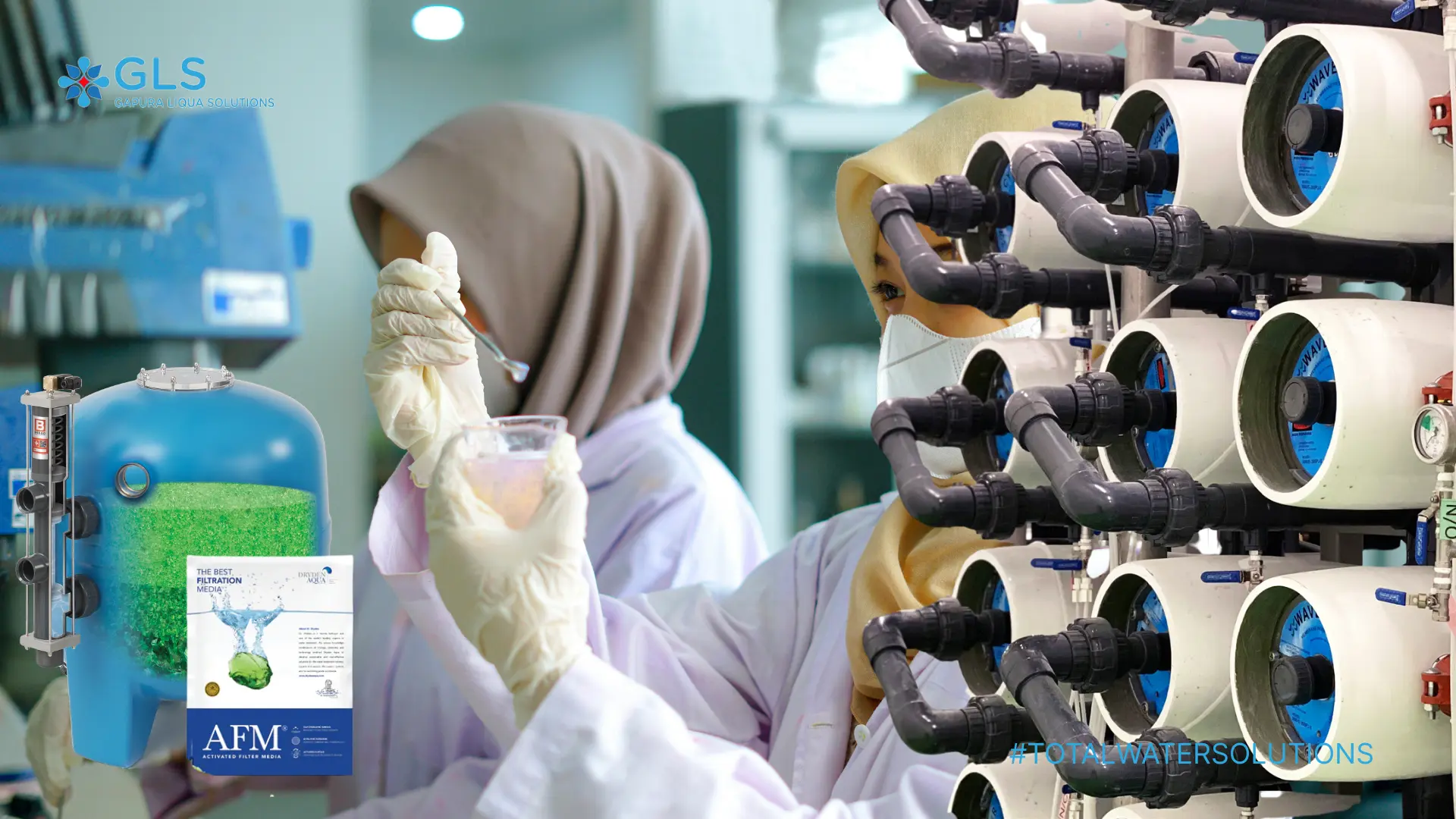
Prevent Contamination With Lab Alliance Water Purification Solutions

In laboratory environments, the purity of water is paramount for reliable results. Contaminated water can introduce variables that skew experimental outcomes UP water. Lab Alliance Water Purification Solutions employ advanced filtration techniques to guarantee ideal water quality. Their systems not only remove impurities but also offer real-time monitoring for consistent integrity. Understanding these features and their implications can greatly impact research outcomes, raising the question of how best to implement these solutions in various laboratory settings.

Understanding the Importance of Water Purity in Laboratories

Although water is often taken for granted, its purity is vital in laboratory settings, where even the slightest contamination can skew results and compromise experiments.

Water quality directly impacts the reliability of scientific data, as impurities can interfere with chemical reactions, cellular processes, and analytical measurements. Laboratories adhere to strict lab standards to guarantee that the water used meets specific criteria for purity.

This commitment to high-quality water is essential, especially in fields such as molecular biology, chemistry, and environmental science, where precise measurements are paramount. Contaminants like heavy metals https://laballiance.com.my/, microbes, and organic compounds can introduce variables that lead to incorrect conclusions.

Therefore, maintaining rigorous standards for water quality isn’t merely a technical requirement; it’s a fundamental principle that supports the integrity of scientific inquiry.

Ultimately, understanding the importance of water purity empowers researchers to pursue knowledge with confidence, guaranteeing their findings are both valid and reproducible.

Key Features of Lab Alliance Water Purification Systems

Lab Alliance water purification systems are designed with advanced features that directly address the rigorous demands of laboratory environments. They utilize cutting-edge filtration technology to guarantee peak purification efficiency, effectively removing contaminants and impurities.

The systems employ multi-stage filtration processes, combining reverse osmosis, deionization, and UV sterilization, which assures high-quality water suitable for sensitive experiments.

In addition, Lab Alliance systems incorporate real-time monitoring capabilities, allowing users to track water quality continuously. This feature not only enhances reliability but also guarantees that any potential issues are detected promptly.

Moreover, their user-friendly interfaces simplify operation and maintenance, empowering laboratory personnel to focus on their research without unnecessary interruptions.

With robust construction and energy-efficient designs, Lab Alliance water purification systems meet the diverse needs of modern laboratories, promoting a contamination-free environment while supporting scientific innovation and exploration.

Applications of Purified Water in Laboratory Settings

Purified water plays an essential role in various laboratory applications, ensuring accuracy and reliability in experimental outcomes. Its versatility makes it indispensable for a range of laboratory water usage scenarios, from reagent preparation to cleaning glassware.

In molecular biology, purified water is important for preparing buffers and media, where even minute impurities can skew results. Likewise, in analytical chemistry, it serves as a solvent that guarantees precise measurements and consistent reactions.

Moreover, in microbiology labs, purified water is crucial for culturing organisms, as contaminants could compromise growth and identification.

In addition, in environmental testing, it aids in obtaining accurate readings of pollutants, ensuring data integrity. Each purified water application underscores the necessity of high-quality water to uphold scientific rigor.

As laboratories continue to innovate, the demand for reliable purified water solutions remains paramount in fostering scientific freedom and exploration.

Best Practices for Maintaining Water Purity in Your Lab

To guarantee ideal water purity in a laboratory setting, it’s essential to adopt systematic practices that mitigate contamination risks. Regular water testing is critical; it helps identify any deviations in purity levels early on. Labs should implement a routine schedule for testing, focusing on both physical and chemical parameters.

Additionally, understanding potential contamination sources—like outdated equipment or improper storage—enables labs to proactively address issues. Using high-quality filtration systems and regularly changing filters can greatly enhance water quality.

It’s also important to maintain clean workspaces and limit access to essential personnel only, reducing the risk of external contaminants. Staff training on proper handling techniques guarantees everyone understands the importance of maintaining water purity.

Conclusion

To sum up, Lab Alliance Water Purification Solutions play an essential role in maintaining water purity in laboratory environments. Their advanced multi-stage filtration processes not only eliminate harmful impurities but also guarantee ongoing water quality through real-time monitoring. By adopting these systems, laboratories can notably reduce the risk of contamination, thereby enhancing the reliability of experimental results. Ultimately, implementing best practices for water purification leads to more accurate scientific inquiry and supports robust research outcomes.

Read More