
In the realm of pet healthcare, unfortunate tales of misdiagnoses, surgical mishaps, medication errors, communication breakdowns veterinary hospital, and neglect have emerged from pet hospitals. These harrowing narratives shed light on critical areas that demand improvement within the veterinary industry.
By examining these pet hospital horror stories, we can glean essential lessons to enhance the care and safety of our beloved animal companions.

Lack of Proper Diagnosis
One common issue in pet hospital horror stories is the lack of proper diagnosis, where cases are frequently misdiagnosed or overlooked. This failure in accurately identifying the root cause of a pet’s health issue can lead to delayed treatment, unnecessary suffering, and sometimes even fatal outcomes.
When pets are misdiagnosed, it not only affects their well-being but also places emotional and financial burdens on their owners. Proper diagnosis is crucial in providing effective veterinary care and ensuring the best possible outcomes for our beloved animal companions.
Pet owners should advocate for their pets by seeking second opinions, asking questions, and ensuring thorough examinations are conducted to prevent misdiagnosis and improve the quality of care provided by pet hospitals.
Surgical Errors and Complications
Surgical mishaps and complications can have devastating consequences in pet hospitals, highlighting the critical need for precision and expertise in veterinary procedures. Errors during surgeries, such as incorrect incisions, improper anesthesia administration, or post-operative infections, can lead to prolonged recovery times, increased pain for the animal, and in severe cases, even death.
Complications arising from surgical procedures may necessitate additional interventions, further straining the pet’s health and the owner’s finances. To prevent such occurrences, pet hospitals must prioritize continuous training for their staff, implement rigorous pre-operative protocols, and maintain high standards of cleanliness in surgical facilities.
Pet owners should also actively engage with their veterinarians, seeking clarification on procedures and potential risks to ensure their furry companions receive the best care possible.
Medication Mistakes and Consequences
In veterinary medicine, the accurate administration of medications is paramount to ensuring the well-being of our animal companions. Medication mistakes can have severe consequences for pets, ranging from ineffective treatment to harmful side effects or even fatality. Common errors include incorrect dosages, giving the wrong medication, or administering medication via the wrong route.
These mistakes can stem from factors such as miscommunication among staff, inadequate training, or even simple human error. It is crucial for veterinary professionals to double-check prescriptions, verify dosages, and ensure clear communication with pet owners to prevent medication errors. By prioritizing accuracy and attention to detail in medication administration, we can safeguard the health and safety of our beloved animal patients.
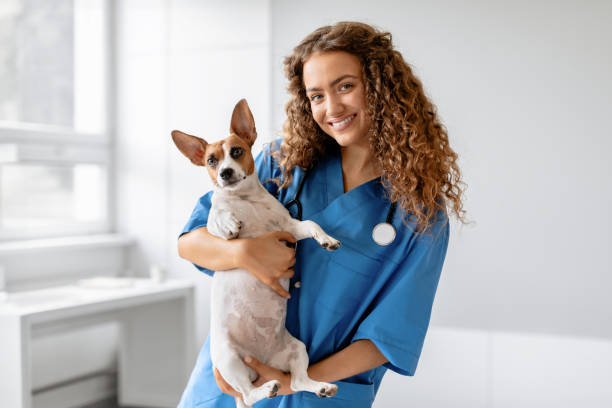
Communication Breakdowns With Pet Owners
Continuing from the critical aspect of accurate medication administration in veterinary practice, communication breakdowns with pet owners can significantly impact the quality of care provided to animal patients. Clear and effective communication is essential in ensuring that pet owners understand their pet’s diagnosis, treatment plan, and any necessary follow-up care. Misunderstandings or lack of communication can lead to improper administration of medications, missed appointments, or failure to follow through with necessary procedures, ultimately jeopardizing the well-being of the animal.
Veterinary professionals must prioritize open and transparent communication with pet owners, ensuring that they are well-informed and actively involved in decisions regarding their pet’s health. By fostering strong communication practices, veterinary teams can enhance the overall quality of care and strengthen the bond between pet owners and their beloved animals.
Neglect and Substandard Care
Neglect and substandard care in pet hospitals can have detrimental consequences on the well-being of animal patients. When pets do not receive the proper attention, medical treatment, or monitoring they require, their health can rapidly deteriorate. This neglect can lead to prolonged suffering, worsened medical conditions, and even fatalities in severe cases.
Substandard care, such as unsanitary conditions, lack of proper medication administration, or inadequate monitoring during recovery, can significantly impact the outcome of a pet’s treatment. Pet owners entrust their beloved animals to veterinary professionals with the expectation of quality care and compassion.
It is crucial for pet hospitals to prioritize the well-being of their patients, ensuring that every animal receives the attention and treatment necessary for a successful recovery.
Conclusion
In conclusion, pet hospital horror stories serve as cautionary tales highlighting the importance of proper diagnosis, surgical procedures, medication administration, communication with pet owners, and overall quality of care.
By learning from these mistakes and taking steps to prevent them, veterinary professionals can ensure the safety and well-being of their patients.
It is crucial for pet hospitals to prioritize thorough and accurate care to avoid potentially harmful consequences.
…